
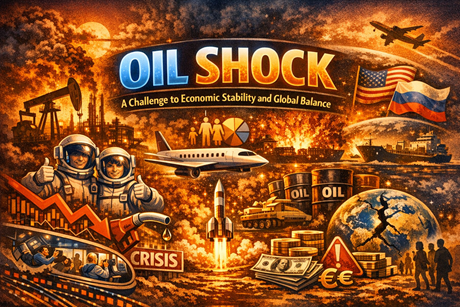
Oil is often described as the lifeblood of the modern global economy. From transportation and industry to agriculture and energy production, nearly every sector depends directly or indirectly on crude oil. An “oil shock” refers to a sudden and significant increase in oil prices, usually caused by geopolitical tensions, supply disruptions, or changes in global demand. Such shocks have far-reaching consequences, particularly for developing economies like India that rely heavily on oil imports.
One of the primary causes of oil shocks is geopolitical instability, especially in oil-rich regions. Conflicts involving countries such as Iran, Iraq, and Saudi Arabia often disrupt supply chains and create uncertainty in global markets. Strategic choke points like the Bab el-Mandeb Strait and the Strait of Hormuz become vulnerable during such crises, further intensifying price volatility. Additionally, decisions by oil-producing groups and fluctuations in demand can trigger sudden price hikes.
The impact of an oil shock on the economy is immediate and widespread. For countries like India, which import a large share of their crude oil, rising prices lead to an increase in the import bill, putting pressure on foreign exchange reserves. This, in turn, contributes to the depreciation of the national currency. Another major consequence is inflation, as higher fuel costs increase transportation expenses, which are then passed on to consumers in the form of higher prices for goods and services. Industries face rising production costs, leading to reduced profitability and potential slowdown in economic growth.
Oil shocks also affect the fiscal health of a nation. Governments often reduce taxes on fuel or increase subsidies to protect citizens from rising prices. While this provides short-term relief, it can widen the fiscal deficit, limiting the government’s ability to invest in development projects. Moreover, sectors such as aviation, logistics, and agriculture are particularly vulnerable, as they depend heavily on fuel.
Beyond economic implications, oil shocks have significant geopolitical consequences. Countries may alter their foreign policies to secure stable energy supplies, strengthen alliances, or diversify import sources. For India, maintaining balanced relations with West Asian countries becomes crucial to ensure energy security. At the same time, oil shocks highlight the need for global cooperation and stability in energy markets.
However, oil shocks also present an opportunity for long-term transformation. They act as a catalyst for countries to invest in renewable energy sources such as solar, wind, and hydro power. Reducing dependence on fossil fuels not only enhances energy security but also supports environmental sustainability. Governments are increasingly promoting electric vehicles, energy efficiency, and alternative fuels to mitigate the impact of future shocks.
In conclusion, oil shocks pose a serious challenge to economic stability, particularly for import-dependent nations. They trigger inflation, strain public finances, and disrupt growth. Yet, they also encourage innovation and policy reform aimed at achieving energy independence and sustainability. By diversifying energy sources and strengthening strategic reserves, countries can better prepare themselves to face future uncertainties in the global oil market.